What to check before booking a private tour in Barcelona
Booking a private visit in Barcelona sounds simple until the day arrives and the plan does not match what was expected. The city rewards good planning. Narrow streets, timed entries, long lunch breaks and busy landmarks can turn a relaxed outing into a rushed one. Before paying for a tailored experience, look closely at what is included, how the route is built and what happens if plans change.
A good starting point is the purpose of the tour. Some visitors want a broad first look at the Gothic Quarter and Barcelona Cathedral. Others want architecture, food, art, family friendly pacing or time at Sagrada Familia. The best fit depends on who is travelling, how much walking feels comfortable and whether the day should feel educational, social or unhurried. A private format should adapt to those needs, not force everyone into a fixed pattern.
What the route actually covers
Read the route as a sequence, not a list of famous names. A day that includes too many landmarks can leave little time to enjoy any of them. If the plan mentions Sagrada Familia, Park Güell and Montjuïc in the same short window, ask how travel time is handled and where the pauses fall. Barcelona has hills, busy transport links and districts that are better explored on foot. A route that looks compact on a map may still involve steep streets, crowded pavements or long waits.
Check whether entry tickets are part of the arrangement. For major sites, entry often depends on a timed slot, and rules can change by season. A visit to a landmark from outside is different from going inside, especially at Sagrada Familia or Casa Batlló. If the listing is vague, ask for a plain description of what happens at each stop. A clear itinerary should say whether the time is for guided commentary, entrance, photographs or free exploration.
The phrase private tour barcelona can cover many styles, from a walking introduction to a full day with pre arranged admissions. That range is useful, but it also means the details matter. Compare the day with your own pace and interests. A history focused route may be rich in context but light on food stops. A family outing may include more breaks and shorter explanations. Neither is better by default. The right choice is the one that matches the people booking it.
Who the tour is designed for
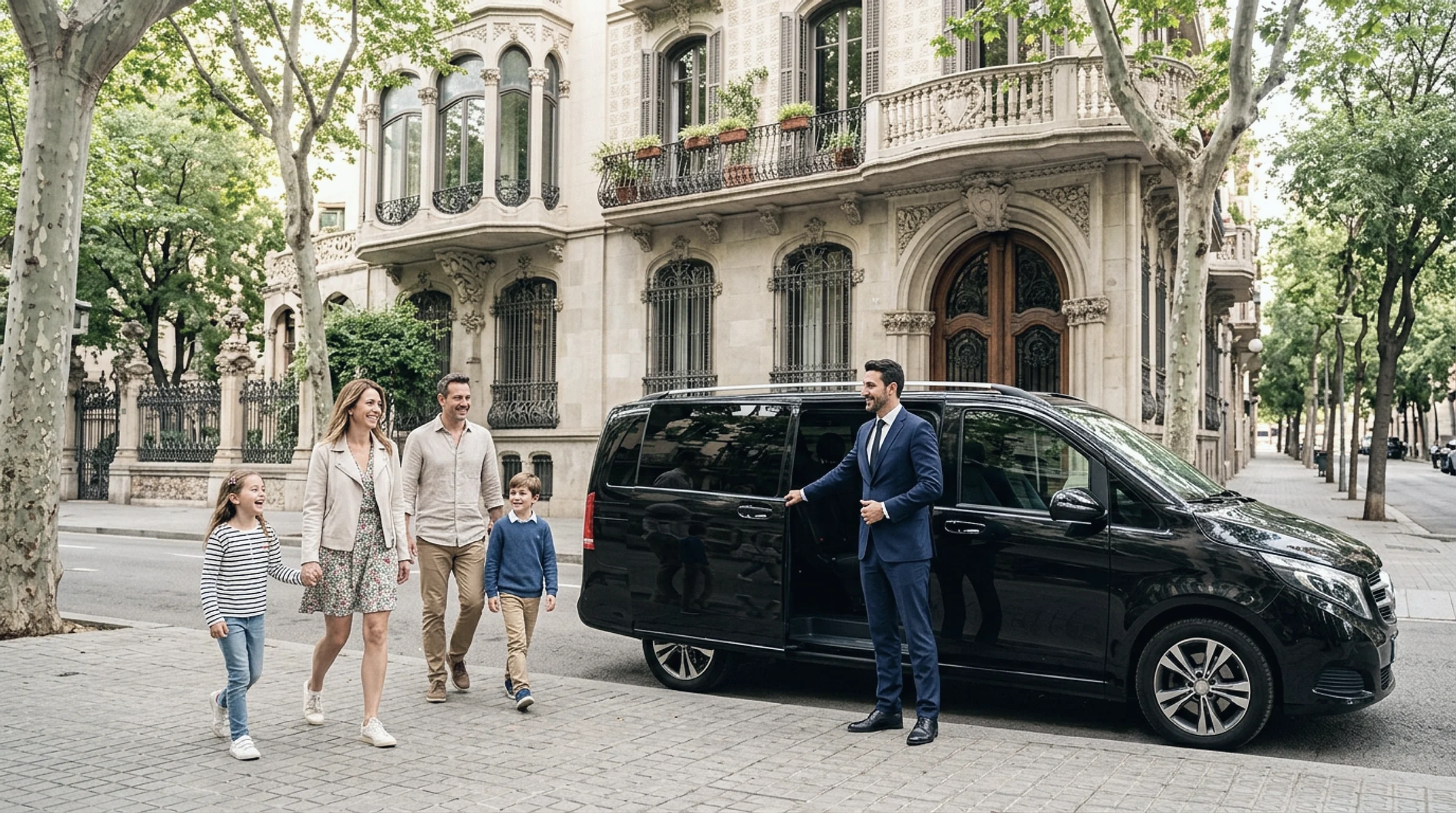
Private does not always mean suitable for every group. Before booking, think about age, mobility, language and attention span. Younger children may enjoy a shorter route with visual stops and space to move. Older travellers may prefer fewer stairs, more seating and a slower tempo. Mixed groups often need a balance, with enough depth for adults and enough variety for younger visitors.
If anyone in the group has limited mobility, ask about gradients, steps and resting points. Parts of Barcelona have cobblestones, uneven pavements and busy crossings. A route through the Gothic Quarter may be atmospheric but narrow. Park Güell involves outdoor walking and slopes. Montjuïc can add hills and longer transfers. These places can still be enjoyable, but the practical details should be understood before the day begins.
Language is another point worth checking. A private setting often appeals to travellers who want questions answered in a language they follow comfortably. Confirm that the guiding language matches the group. If the group includes more than one language, ask how that is handled. Clear communication makes a larger difference than many people expect, especially at sites where timing and entry rules can be confusing.
How the day is paced
Good pacing is hard to judge from a brochure. Look for signs that the schedule leaves room to breathe. Meals, coffee stops and free time should be stated clearly. If a full day is described without breaks, the experience may feel tiring even if the landmarks are impressive. Barcelona is a city where a short pause in a plaza or a market can be as memorable as another monument.
Ask how long each stop lasts and how much of that time is guided. Some travellers want detailed stories at every location. Others prefer a short introduction followed by time to look around. A private tour barcelona itinerary works best when the balance is agreed in advance. That prevents the common problem of feeling either rushed or under informed.
Also check the start and end points. A central meeting place may sound convenient, but it can still mean a long walk from accommodation. A finish near a metro stop, a hotel or a lunch venue can make the rest of the day easier. If the tour ends in a different district from where it starts, plan the return journey before booking. This matters more in a city where visitors often underestimate walking distances.
Transport and timing
Decide whether walking, public transport or a private vehicle suits the day. Walking works well in compact areas such as the Gothic Quarter and around La Boqueria Market. It becomes less appealing when the route stretches across several districts in hot weather or with children. Public transport can be efficient, but it adds tickets, transfers and waiting time. A vehicle can reduce walking, though traffic and drop off rules still affect the schedule.
Timing deserves close attention. Popular sites can have queues, and some entry systems depend on fixed slots. Ask what happens if the group is late and whether the order of stops can change. A flexible order is often more useful than a rigid promise. Weather can also shape the day. Rain may make an outdoor route less pleasant, while a sunny afternoon may be better spent outside than in a museum. Ask whether there is a sensible alternative if conditions shift.
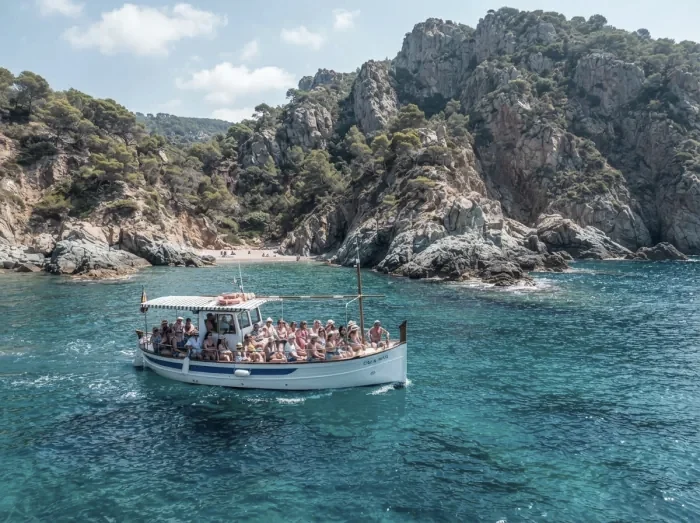
Check the length of the tour in real terms. A three hour walking tour and a three hour tour with transfers are not the same experience. Confirm whether the stated duration includes breaks, entries and travel between stops. Clear timing helps avoid the disappointment that comes from discovering the day ends before the planned final visit.
What is included and what is not
Before booking, separate the essentials from the extras. The essentials are the guiding service, the route, the language and any agreed entry arrangements. Extras may include food tastings, transport, hotel pickup or museum admissions. None of these are automatically included, so read the wording closely. A tour that appears broad may still leave certain costs or arrangements to the visitor.
Food stops need particular clarity. A tasting at La Boqueria Market may focus on local products, while a sit down meal follows different rules. Ask whether tastings are seated, how long they take and whether dietary needs can be accommodated. Vegetarian, vegan, gluten free and allergy related requirements should be discussed before the day, not during the first stop. The same applies to childrens menus or early meal times.
Entry arrangements also need a close read. Some landmarks require advance reservations, while others may have different access rules on certain days. If a listed stop depends on admission, confirm whether tickets are arranged as part of the booking or handled separately. This is especially useful for Sagrada Familia, Park Güell and Casa Batlló, where visiting times can shape the whole route.
Group size and personal attention
A private booking should feel different from a shared group. Check who will be in the group, especially if the booking is for two people but other guests may be added. Ask whether the experience is exclusive to the booking party. This affects the pace, the questions asked and the freedom to adjust the route.
Personal attention also depends on the guide style. Some guiding is lecture based, with a steady flow of dates and details. Other guiding is conversational, with room for questions and pauses. Neither approach suits everyone. Think about what makes a city interesting for your group. Museu Picasso may suit an art focused visitor with time to look closely, while a first time visitor may prefer architecture, views and a clear introduction to the city layout.
If the group has specific interests, mention them before the day. A private format can often adapt better than a fixed group, but it still needs preparation. Interests such as architecture, photography, food, history or family friendly storytelling can change which stops make sense. The more precise the brief, the easier it is to shape a route that feels personal rather than generic.
Cancellation, changes and clarity
Plans change, so read the booking terms before committing. Look at the rules for cancellation, changes to date, late arrival and missed entries. A fair policy should be understandable without legal training. If a detail is unclear, ask for a plain answer before paying. This is practical, not pessimistic. Clear terms protect both sides and reduce stress if travel plans shift.
Ask how updates are shared. Meeting instructions, entry times and route changes need to reach the group in time. A reliable arrangement should make it clear where to meet, who to contact on the day and what happens if the group cannot find the meeting point. Mobile data may not work as expected while travelling, so save essential details before setting out.
Finally, look at the overall clarity of the offer. A good plan does not need to promise every famous sight. It needs to explain what the visitor gets, how the day flows and where judgement is needed. Barcelona is easy to enjoy in fragments, and trying to fit everything into one outing usually weakens the experience. Choose a route with a clear theme, sensible pacing and enough flexibility to handle the unexpected. That approach turns a booking decision into a calm day out, with time to notice the details that make the city distinctive.